
I Was Trauma-Informed Before I Had the Words for It
For most of my career, I didn’t use the phrase trauma-informed care.
Not because I didn’t believe in it—but because I was already living it.
Long before it became common language in nonprofits or development work, trauma-informed care was shaping how I walked with people: how slowly I moved, how much I listened, how deeply I respected agency, and how rarely I rushed outcomes.
Only later did I realize: this has always been the through-line of my work—from mental health and prisons to rural Tanzania and Food for His Children.
A bit of my story
Before founding Food for His Children, I spent years as a social worker walking alongside people who lived at the margins of society.
I worked with individuals diagnosed with SPMI—Serious and Persistent Mental Illness.
SPMI refers to long-term mental health conditions such as schizophrenia, bipolar disorder, and severe major depression—conditions that significantly affect a person’s ability to function in daily life. Many of the people I served had experienced repeated hospitalizations, homelessness, stigma, and deep loss of control over their own lives.
I also worked with people living with TBI—Traumatic Brain Injury, often resulting from accidents, violence, or medical events. TBI can affect memory, impulse control, emotional regulation, and personality—sometimes invisibly. Progress was rarely linear, and expectations had to be adjusted again and again with patience and humility.
I worked inside prisons.
I sat with incarcerated men and women as they made end-of-life decisions, helping them complete healthcare directives so their wishes would be honored—often for the first time in their lives. These were sacred, heavy moments. Many had never been asked what they wanted. Many carried shame, regret, and unresolved trauma that no sentence could erase.
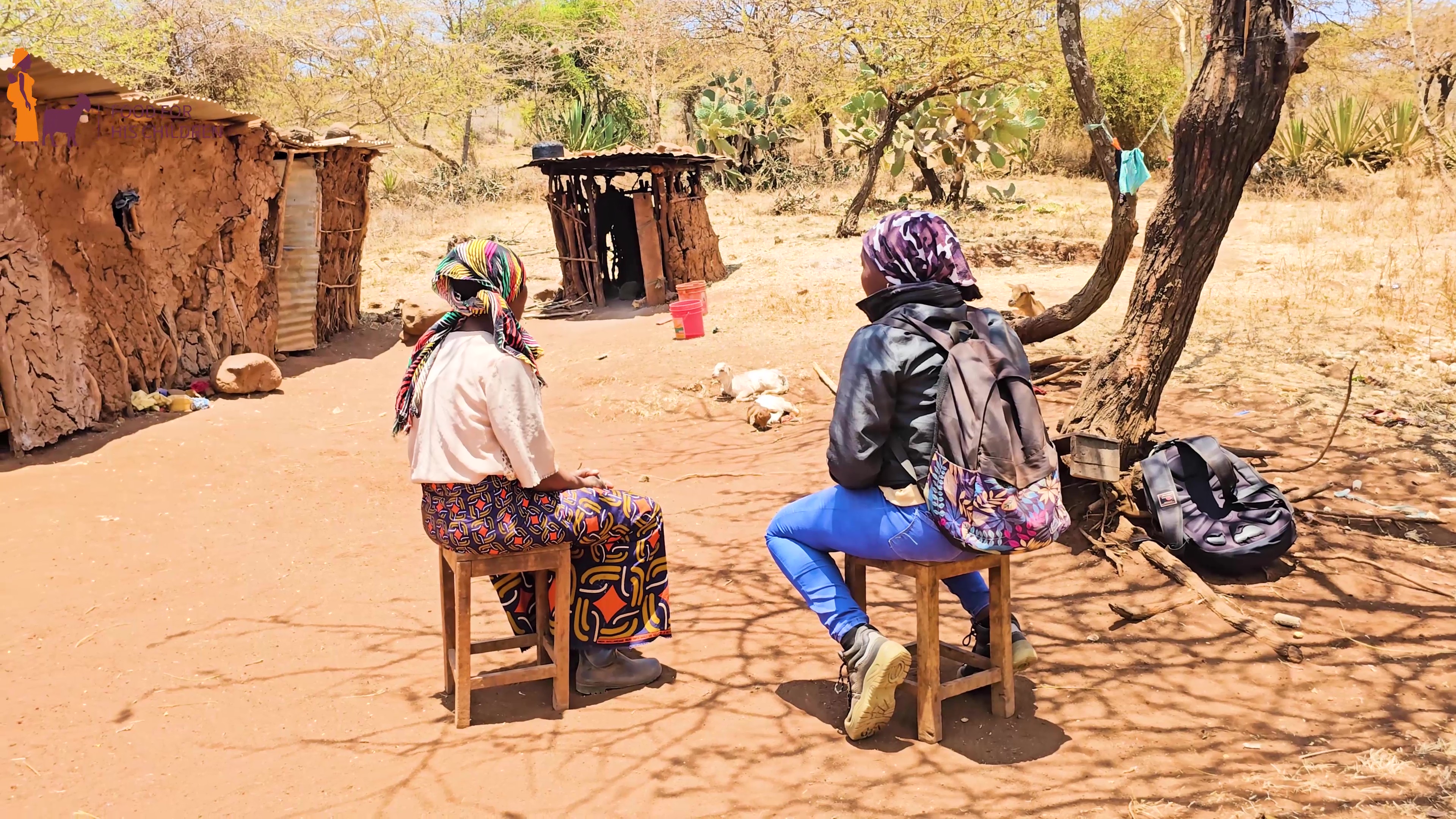
And for the past 20 years, I’ve been walking with families in rural Tanzania—people living in multidimensional poverty, where hardship isn’t just about income, but about broken relationships, trauma, loss, powerlessness, and hope deferred.
Different settings. Different cultures.
But the same truth kept showing up.
Trauma changes how people survive
Trauma-informed care starts with a quiet but radical shift:
“What happened to you?” instead of “What’s wrong with you?”
Trauma lives not only in memory, but in the body and nervous system. It shapes how people respond to stress, authority, opportunity, and even kindness.
Behaviors we label as:
- resistance
- inconsistency
- passivity
- anger
- avoidance
- “lack of motivation”
are often adaptations—ways people learned to survive environments that were unsafe, unpredictable, or dehumanizing.
This is why trauma-informed work is:
- slow
- relational
- repetitive
- grounded in dignity and choice
And it’s why pressure and shame almost always backfire.
Extreme poverty is trauma
The families Food for His Children walks with are not just “poor.”
Many have lived through:
- chronic hunger and illness
- death of children or spouses
- gender-based violence or abandonment
- land insecurity and climate shocks
- deep shame and social exclusion
- spiritual despair
This is not a single traumatic event.
It is chronic, layered trauma.
So we don’t rush people.
We don’t rescue.
We don’t punish “non-compliance.”
We don’t assume readiness just because resources exist.
That isn’t leniency.
That’s wisdom.
Relationship is the intervention
At Food for His Children, our case managers don’t just deliver training or check boxes.
They:
- show up consistently
- listen before advising
- revisit goals without shaming
- celebrate small wins
- stay when families stall or regress
For someone whose life has taught them that help is temporary or conditional, that consistency matters.
In trauma-informed language, this is called co-regulation—the way a steady, trustworthy relationship helps calm a dysregulated nervous system. Change happens inside relationship, not ahead of it.
This is something I learned early in SPMI work:
The relationship is not a tool.
The relationship is the work.
Choice and dignity aren’t “soft”—they’re essential
Trauma strips people of control. Poverty does the same.
That’s why our model emphasizes:
- collaborative goal-setting
- savings groups instead of handouts
- participation without perfection
- progress at different speeds
Agency restores dignity.
Dignity restores hope.
Hope makes change possible.
I saw this again and again in mental health work:
- forced compliance increased resistance
- collaboration built trust
- people stabilized faster when they felt respected
Different context. Same human nervous system.
Faith, trauma, and restoration
Many trauma frameworks avoid spirituality altogether. We don’t—and we do so carefully.
At Food for His Children, we understand trauma as fractured relationships:
- with God
- with self
- with others
- with creation
This mirrors trauma theory almost perfectly.
But we also believe something more:
Healing is not just stabilization.
It is restoration.
Faith is never forced.
God is reintroduced as safe, not demanding.
Discipleship is invitational, not prescriptive.
Pastoral care is offered, not imposed.
For people who have experienced spiritual trauma—or who believe suffering means God has abandoned them—this matters deeply.
Why slow change is wise stewardship
Many well-intentioned programs unintentionally retraumatize people by:
- setting unrealistic benchmarks
- withdrawing support after “failure”
- publicly measuring success
- creating dependency followed by abandonment
We work differently.
We choose:
- long time horizons
- graduated independence
- relational accountability
- clear expectations without threats
- exits that feel like commissioning, not cutoff
This isn’t just compassionate practice.
It’s trauma-informed systems design.
A final reflection
My comfort with slow transformation, nonlinear progress, and walking with people who may never “perform” well didn’t come from textbooks.
It came from:
- sitting with people with SPMI
- honoring dignity apart from outcomes
- believing presence itself is sacred
That conviction is woven into Food for His Children.
And it’s why our model holds—across cultures, across decades, across unimaginable hardship.
Because healing doesn’t hurry.
And neither does love.
Pastor Kerrie Holschbach, LSW is the founder of Food for His Children and a social worker with over 30 years of experience in trauma-informed, faith-centered community development in Tanzania.